
Enterprise Solution
Enteprise SW
Enterprise SW
As enterprise IT environments grow more complex and the use of emerging digital technologies expands, the importance of Enterprise SW for the efficient and stable implementation and operation of systems and effective business operations is increasing. LG CNS develops and provides Enterprise SW that brings together its proprietary technologies and know-how accumulated through IT projects across diverse industries.
We offer a wide range of solutions for system development and operation—from Model-Driven Development (MDD) platforms to frameworks, middleware, and test automation—enabling the implementation of stable and robust IT systems. In addition, we support business innovation in digital trust environments through specialized solutions incorporating blockchain technology. Beyond these IT solutions, we support optimized ad execution, campaign management, and efficient workforce operations through digital marketing solutions that incorporate a wide range of emerging technologies.
All of these solutions have been validated through various projects and have continued to evolve, while LG CNS’s dedicated in-house R&D organization keeps them up to date. Furthermore, we provide professional maintenance services and maintain a stable operating model built on long-term partnerships.
End-to-End Testing: From Front-End to Back-End, A New Standard for Test Automation
Testing Strategies for Perfect Software Quality

Backend Testing Based on Real Transaction Data
Using LG CNS' testing solution, real transaction data from the existing system can be automatically replicated in the new system, enabling real-time comparison and verification of results to proactively identify potential errors. This keeps software in optimal condition and verifies system stability and efficiency.
Even in complex ERP environments like SAP, specialized features improve testing accuracy and speed, reducing the risk of business disruptions and supporting successful system migration.

AI-Powered Front-End UI Testing
Using an AI-powered no-code approach, users can create UI test scenarios without coding. The AI automatically detects UI changes and updates scenarios to ensure accurate testing. This enables companies to quickly respond to rapidly changing client needs.

Improving Client QA Standards and Efficiency
To remain competitive in the fast-paced DX era, companies must establish reliable quality assurance and efficient testing processes. Many IT projects in finance, manufacturing, and public sector have already adopted LG CNS' solutions to implement optimal test automation environments across both front-end and back-end systems. H (the largest bank in Korea) developed a next-generation system that verifies around 90% of daily transactions, achieving a 100% success rate. Meanwhile, N (the market-leading card company) successfully validated 100 million real authorization transactions in just three months, a feat previously impossible with traditional testing methods, also reaching near 100% authorization success rate. As these examples demonstrate, LG CNS' testing solutions effectively improve enterprise QA environments.
Testing Solutions Proposed by LG CNS
PerfecTwin Standard Edition
PerfecTwin is the world's only automated real-transaction verification solution.
It automatically replicates live transactions from the existing system to the new system, compares results, and ensures functional and performance integrity for a flawless system launch. PerfecTwin supports various integrated system testing needs, including next-generation system implementation, cloud migration, ERP conversion, and infrastructure modernization. Use PerfecTwin to meet the specific needs of your IT projects.

Improve test accuracy and reliability with real transaction data

Compare the performance of existing and new systems to maintain optimal conditions

Identify faults in real time during testing for a quick response
PerfecTwin ERP Edition
PerfecTwin is the world's only automated real-transaction verification solution.
It automatically replicates live transactions from the existing system to the new system, compares results, and ensures functional and performance integrity for a flawless system launch. PerfecTwin supports various integrated system testing needs, including next-generation system implementation, cloud migration, ERP conversion, and infrastructure modernization. Use PerfecTwin to meet the specific needs of your IT projects.
▶︎Check out SAP-certified PerfecTwin, available on the SAP Store

Pre-validate the new SAP environment to prevent potential errors

Verify data consistency and business logic across SAP modules from an end-to-end perspective

Compare the new and existing SAP systems' performance to support optimization and stability
FAQ
-
PerfecTwin can be used in any IT environment where data validation between existing and new systems is required. It is especially optimized for complex environments such as ERP and core banking. It is also suitable for any industry requiring data validation, such as manufacturing and the public sector, and is particularly useful in environments with high-volume transaction processing.
-
In a typical SI project implementation, PerfecTwin is usually prepared for use during the development phase. It is then applied during integration testing for repeated automated testing to verify the system's cross-functional integration and connectivity.
A New Standard for Middleware Solutions Optimized for Cloud Environments
High-Efficiency, Operations-Centric Next-Gen Middleware

Next-Gen Middleware for Maximum Operational Efficiency
In cloud environments, dozens to hundreds of servers must be centrally managed, with ongoing configuration changes and continuous monitoring. To streamline operations, an integrated management console facilitates easy configuration changes, patch deployment, and real-time monitoring, allowing updates without server downtime. Additionally, real-time fault response helps quickly resolve issues, providing intuitive tools for users to analyze root causes efficiently.

Cloud-Optimized Middleware Backed by Proven Expertise
Ensuring service continuity requires both stable service quality and an enhanced user experience, especially in dynamic cloud environments. By applying LG CNS’s extensive operational know-how and managing middleware with cloud-optimized autoscaling, businesses can strengthen operational capabilities and optimize costs.

Enhancing IT System Service Visibility
Improving the quality of enterprise IT system services requires significant time and effort. LG CNS’ middleware solution provides a topology view dashboard that visualizes system-wide request statuses, offering clear insights into server communication delays and bottlenecks. For in-depth fault analysis, it enables application source-level diagnostics, helping businesses to identify root causes and minimize recovery times. In short, it delivers comprehensive monitoring that both system-wide and granular-level insights.

Business Perspective Monitoring Through User Performance Management
To accurately assess user satisfaction, businesses must monitor performance across all components, including web application servers (WAS), web servers, and even browser-generated performance data. LG CNS’ middleware solution expands monitoring coverage to include end-user browser interactions, supporting a holistic view of service performance.

Business Automation Supporting Container Environments
IT system environments are highly diverse and include numerous variables. LG CNS’ middleware solution configures all components in a containerized environment without relying on virtual machines (VMs). This ensures a unified management environment and supports stable, continuous business automation, even in container fault scenarios.

Processing of Large-Scale Data in One Go
Changes in IT operations have led to greater diversity in applications and infrastructure, as well as an increase in digital processes and data volumes. Deploying automation solutions enables rapid, effective responses to these changes. With LG CNS' middleware solution, businesses can reduce data processing times through parallel processing, making full use of available resources. Alternatively, mission-critical tasks can be processed in isolated environments.
LG CNS' Middleware Solution for Rapidly Evolving IT Environments
LENA
LENA is a cloud-optimized WAS developed with LG CNS’ accumulated operational expertise. It provides optimized services across various IT environments, including on-premises, cloud, and container-based infrastructures. LENA has been successfully deployed across multiple industries—including finance, public sector, IT, and services—ensuring a stable and reliable operational environment.

Enhances operational efficiency with full visibility into system configurations

Provides proactive fault diagnosis and automated response mechanisms, ensuring service reliability and stability

Supports seamless service expansion with features such as centralized configuration management, automatic service registration and monitoring, and event tracking
TunA
TunA is an integrated monitoring solution that provides monitoring capabilities to effectively manage enterprise IT systems. With TunA, businesses can gain full visibility into IT service quality and maximize client satisfaction through stable service operations.
▶︎Learn more about TunA

Monitors real-time service quality across all IT system sections

Tracks inter-service call relationships and latency points in real time

Collects and analyzes real user web experience data for detailed performance insights
J-Jobs
J-Jobs is a workload automation solution that schedules and automates business processes in real-time based on event triggers. It enables task automation using various templates and automates workflows across systems with event and platform support. J-Jobs addresses the limitations of solutions, such as high costs and limited technical support, while seamlessly integrating and managing cloud operations. Additionally, its user-friendly customization capabilities and enterprise-wide batch processing efficiency make it a cloud-optimized solution.
▶︎Learn more about J-Jobs

Streamlines workflows by structuring business processes into distinct jobs, assigning responsible personnel, and distributing workloads to enhance system stability and efficiency

Modifies workflows in real-time, even during active job execution. Checked-out jobs can be edited without disrupting active programs, while modification controls prevent unauthorized changes, reducing operational risks

Implements an approval process for workflow modifications and job executions. Multiple approvers can be assigned, allowing approvals to proceed even in the absence of key personnel, while approval history ensures effective change management and governance
FAQ
-
The more you rely on vendor-specific middleware features, the more technology lock-in occurs, increasing risks when modifying applications or migrating to different middleware in the future. LENA is built on global standards, ensuring vendor independence while improving service quality through reliable failover and backup mechanisms. Additionally, LENA’s advanced fault diagnosis and response capabilities enable real-time issue resolution, and its session clustering feature ensures continuous service availability.
-
LENA, built on global standards, supports an architecture optimized for cloud-based services, enabling flexible and seamless expansion across diverse environments—including on-premises, cloud, and containerized infrastructures.
-
TunA’s network packet-based monitoring allows you to track latency issues across different system sections regardless of a specific programming language or framework. It also provides code-level visibility of applications during failures, streamlining root cause analysis. Additionally, TunA enables tracing of interactions between applications within specific transactions, starting from the user’s browser—making it easier to identify the source of a failure quickly.
-
In containerized environments, it is more effective to group applications by workload rather than monitoring each application individually. TunA allows for grouped monitoring and allows users to check statistical data. Because containerized applications are frequently created and terminated, they require a different approach to application management. TunA is also optimized for application management. Additionally, TunA offers Kubernetes monitoring and distributed tracing, simplifying system management even in complex containerized deployments.
-
Yes, workload automation is supported across public and private cloud environments, containerized infrastructures, and hybrid environments. By leveraging execution groups, the agent environment can be configured as an independent execution environment, allowing for segregated executions to minimize risks for fault-sensitive tasks.
Customer Success Stories

Enterprise Java Framework with Proven Stability in Next-Generation Financial Systems, Deployed in 70+ Projects
A Framework Strategy for Building Stable Enterprise Systems

Proven Stability and Maturity in Next-Generation Financial Systems
The DevOn Framework has been implemented in 9 out of 14 Java-based core banking projects in Korea and has been adopted as the standard framework for channel systems, where it has been operating reliably. It has been widely adopted not only in banking but also in next-generation systems for credit card, insurance, and consumer finance companies. Lessons learned from each project are incorporated into the product to continuously expand its functional coverage. Every next-generation banking project built on DevOn has successfully gone live without a single delay.

Uninterrupted Technical Support
A dedicated solutions team provides maintenance services to approximately 70 sites in the financial and public sectors nationwide. Support is provided under a systematic maintenance policy covering regular on-site inspections, incident response, technical inquiries, and open-source vulnerability remediation. By maintaining separate maintenance and solution development teams, LG CNS aims to provide continuous service without EOS. Drawing on over 15 years of maintenance service experience, LG CNS provides a reliable framework that can be used throughout the entire system lifecycle.

Continuous Evolution with a Long-Term Product Roadmap
The DevOn Framework is not a “build-and-forget” product, but one that continues to evolve. A dedicated R&D team maintains the long-term solution roadmap, continuously releasing new versions in step with regular Spring Boot releases, while supporting new Java versions and further enhancing MSA capabilities. Furthermore, LG CNS is conducting R&D to evolve DevOn into an intelligent, AI-optimized framework, with capabilities such as AI agent-based operations automation and conversational incident analysis.

Optimized for All IT Environments, from On-Premises to the Cloud
DevOn Core allows clients to select and apply the optimal framework and feature set based on their infrastructure environment (on-premises, cloud, containers) and system requirements. Each functional area—including online processing, batch jobs, daemon processing, center-cut extraction, post-processing, and operations management—is available as a ready-to-use capability built on the DevOn Core architecture, which incorporates LG CNS’s extensive system integration experience. Its high-performance, high-availability architecture supports uninterrupted 24/7 operation.
The DevOn Framework Product Family, Optimized for All IT Environments
DevOn Enterprise
DevOn Enterprise is an on-premises Java framework developed in-house by LG CNS. It has been deployed in more Java-based core banking projects in Korea than any other framework, demonstrating its stability and technical capabilities. It provides the capabilities required for large-scale core banking systems and supports stable 24/7 operation. Because it is developed in-house, DevOn Enterprise is not dependent on external technologies, enabling ongoing service and maintenance.

Most widely deployed for Java-based core banking at Korean banks, with no delayed go-lives

Supports online processing, batch jobs, daemon processing, center-cut extraction, post-processing, and operations management

Delivers stable operation with a high-performance, high-availability architecture
DevOn Boot
DevOn Boot is a lightweight framework for cloud environments that follows the Spring Boot Web MVC pattern, combining the extensibility of open source with common features tailored to the financial sector. It has been adopted as the standard framework for channel systems at commercial banks and is operating reliably. It has also been implemented across a wide range of financial channel systems, including card systems at internet-only banks and MyData platforms, spanning both on-premises and cloud environments. By continuously releasing new versions in response to regular Spring Boot releases and providing open-source vulnerability response, patching, and consulting support, DevOn Boot enables organizations to use open-source software with confidence.

Based on the Spring Boot Web MVC pattern, enabling adoption of new technologies without technology lock-in

Optimized application control and monitoring for cloud and container environments

Security patching and consulting backed by a dedicated vulnerability response system
FAQ
-
DevOn Enterprise can be deployed in large on-premises core banking environments, while DevOn Boot—based on Spring Boot—can be used for cloud- and container-based channel systems. It supports all functional areas of enterprise systems—including online processing, batch jobs, and center-cut extraction—and can be applied to public-sector and enterprise systems outside the financial sector.
-
A dedicated solutions team provides systematic maintenance services, including regular inspections, incident response, and responses to technical inquiries. Approximately 70 sites across Korea are currently using our maintenance services, and we operate separate maintenance and R&D teams to provide reliable technical support.
-
We have an open-source vulnerability response system in place and provide security patches and technical consulting when vulnerabilities arise. Additionally, we continuously release new versions in step with regular Spring Boot releases, ensuring that systems always operate on an up-to-date and secure foundation.
Models Become Code: End-to-End Development Automation
Software Quality and Productivity Through Model-Driven Development
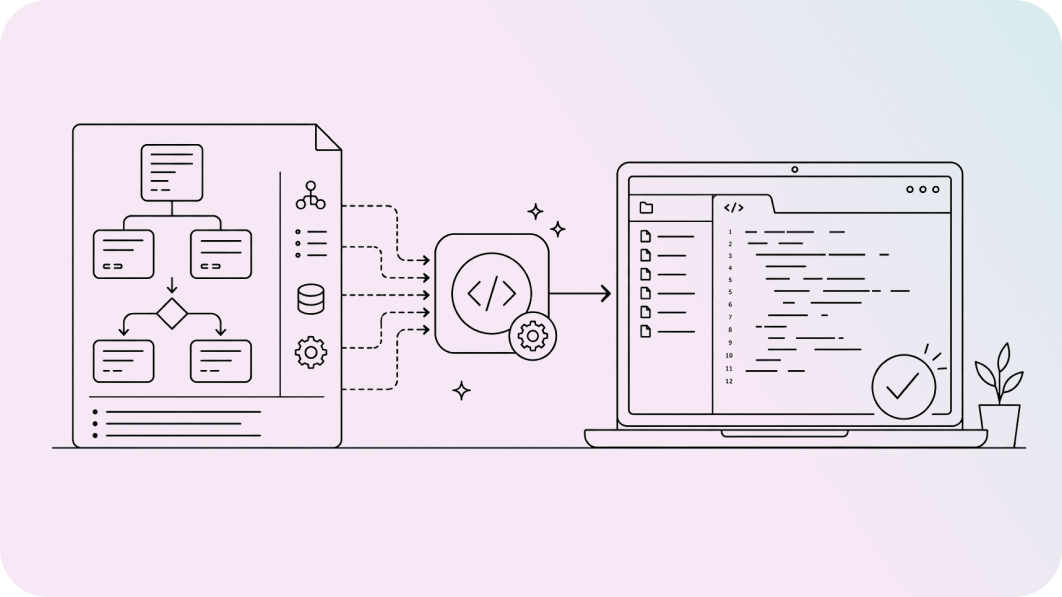
Automatic Generation of 100% Executable Code from Models
DevOn MDD automatically generates 100% executable source code using UML models and natural-language-based logical expressions. When business logic is written as logical code that closely resembles natural language, Java code that adheres to framework and architecture standards is automatically generated. This boosts development productivity and significantly reduces errors that can occur during manual coding. This technology has been validated through large-scale next-generation projects in the financial and public sectors since 2012.
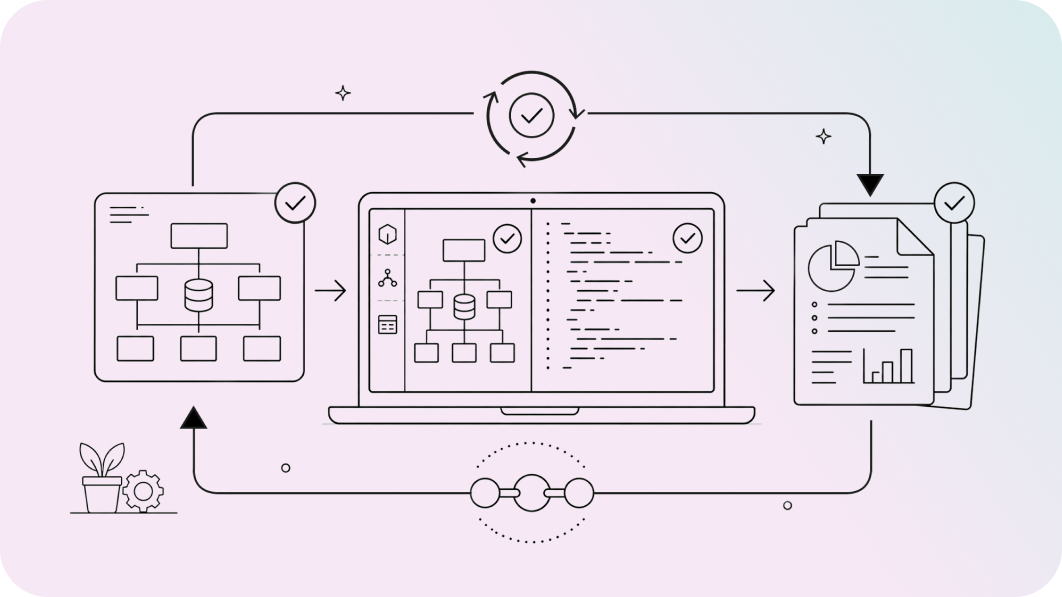
Continuous Alignment of Models, Code, and Deliverables
Because source code and analysis and design deliverables are generated together from the model, consistency is maintained across the model, code, and documentation. You can generate up-to-date documentation that reflects the operational environment on demand, reducing discrepancies between the actual system and the documentation and alleviating the documentation burden so teams can focus on content quality. Furthermore, by accumulating system knowledge within the model, it facilitates a smooth handover and contributes to reducing operations and maintenance costs.

Quality System for Standards Compliance
Terminology, coding, and architecture standards are automatically incorporated into the code generation phase, and the model validation feature proactively checks for compliance with these standards. By automating not only standard-setting but also compliance, it reduces variability among developers and ensures consistent quality. If performance issues arise or standards change, you can modify the standards and then regenerate code from the model in bulk to quickly apply the changes across the entire system, making this especially effective for large-scale projects.
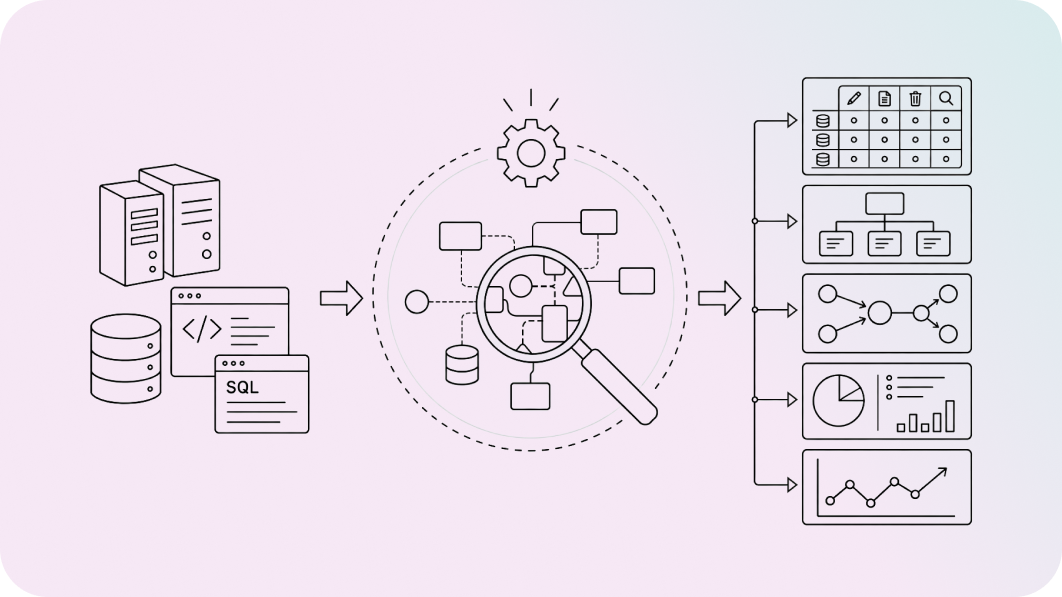
Precise Automated Analysis of AS-IS Systems
DevOn Reverse analyzes the source code and SQL of existing systems to automatically generate various analysis deliverables, including CRUD (Create, Read, Update, Delete) matrices, functional decomposition diagrams, program lists, call graphs, and query complexity metrics. Through CRUD analysis based on user transactions and call graph analysis that traces calls down to the function level, you can accurately assess system impact. Additionally, it provides the Reverse View feature, which allows you to instantly view AS-IS impact information within the development environment, enabling you to integrate the analysis results into design and development.
DevOn Development Automation Tools Offered by LG CNS
DevOn MDD
DevOn MDD is a model-driven development automation tool that automatically generates source code based on UML models and supports instant quality checks and the creation of various deliverables. It imports deliverables from the analysis phase to generate initial design models in bulk, and generates 100% executable source code and SQL from models and logical expressions. It checks compliance with standards through model validation and automatically generates up-to-date deliverables, such as component lists and specifications.
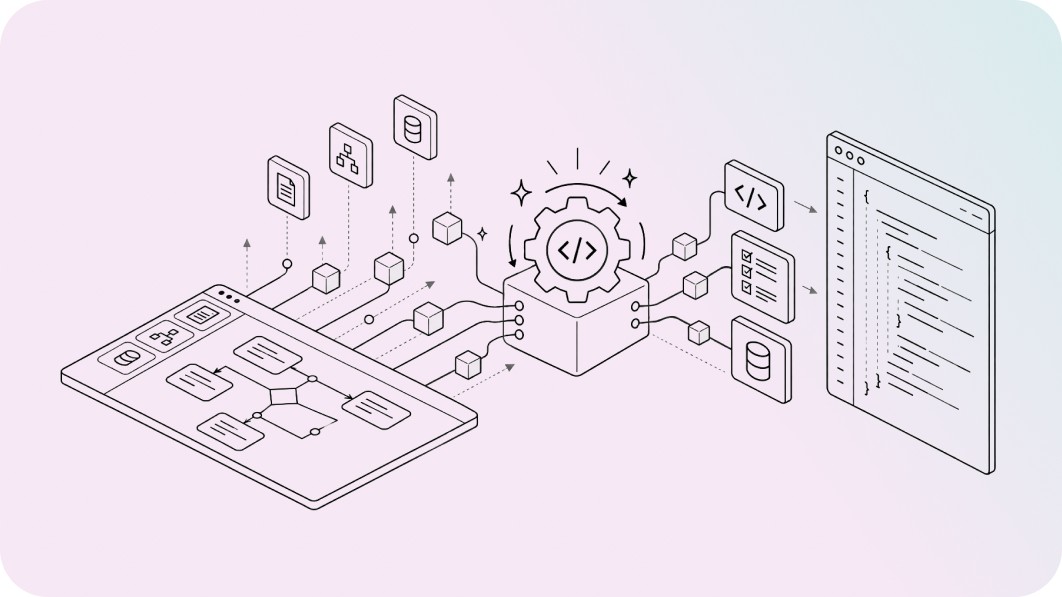
Generates executable code and SQL from models and logical expressions
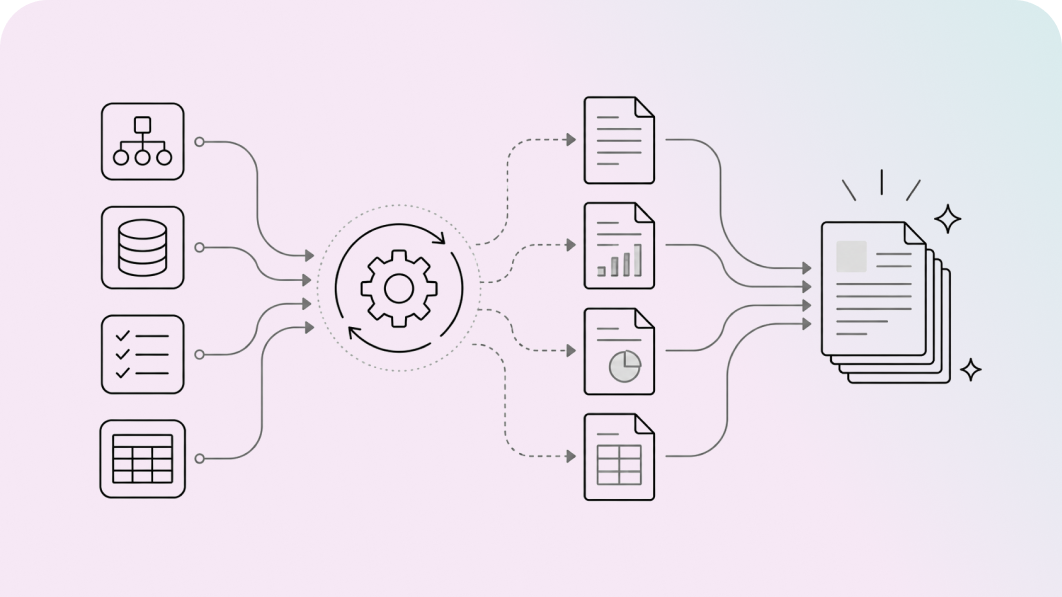
Provides up-to-date deliverables in real time that always match the model and code
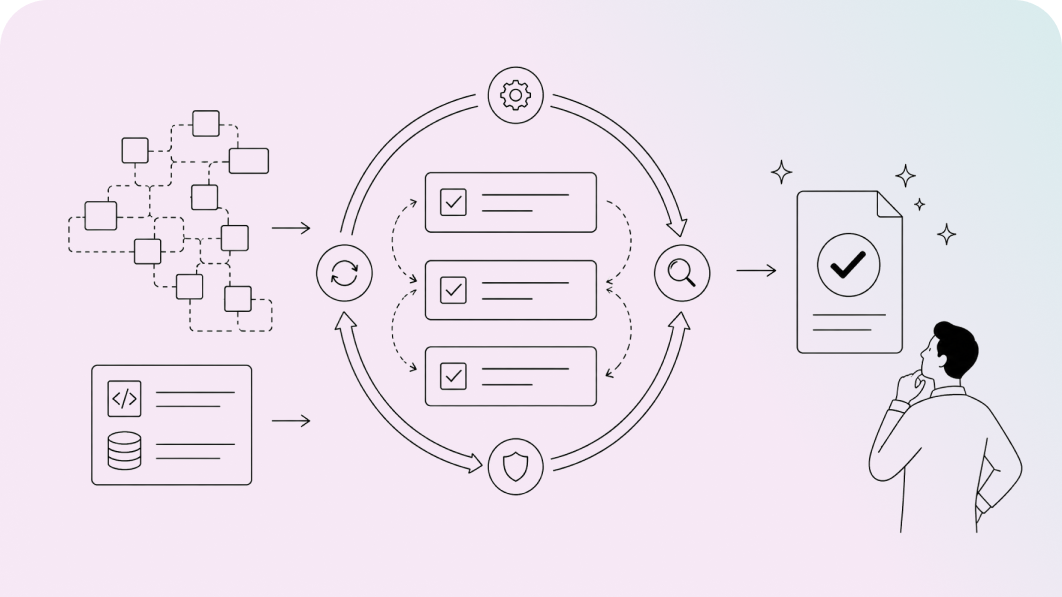
Supports automatic test case generation and repeated execution
DevOn Reverse
DevOn Reverse is a reverse engineering tool for analyzing existing systems that provides its findings as a range of analysis deliverables. It automatically generates CRUD matrices, functional decomposition diagrams, system relationship lists, program lists, query complexity metrics, table lists, and call graphs, thereby reducing the time and cost required for manual analysis while preventing omissions in the analysis. The analysis results serve as foundational data for TO-BE design, and AS-IS impact information can be quickly viewed through the Reverse View in the development environment.
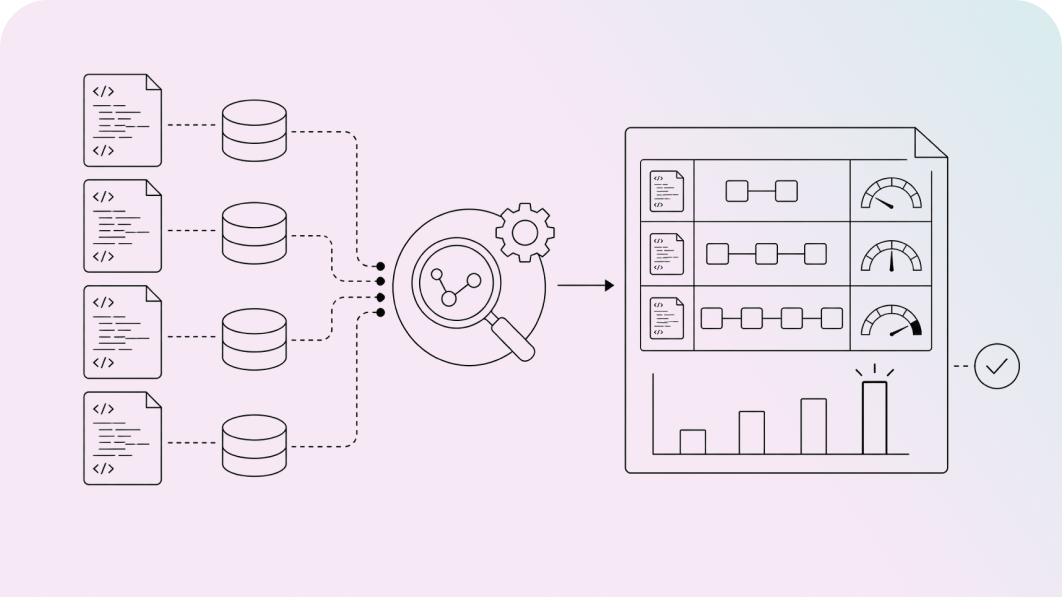
Automatic generation of CRUD matrices, call graphs, query complexity metrics, and more
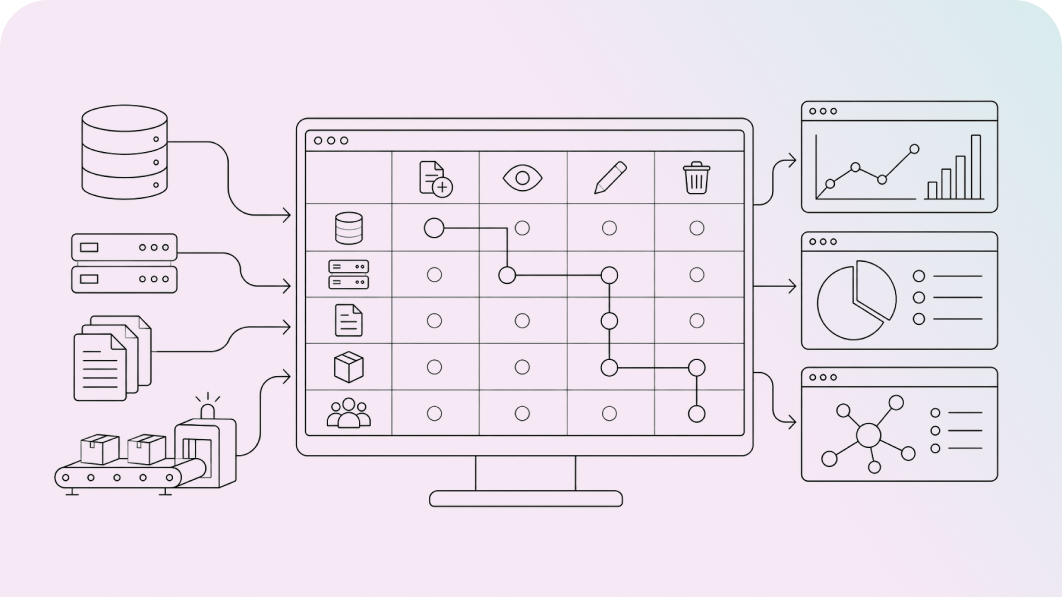
Precise data impact analysis based on user transactions
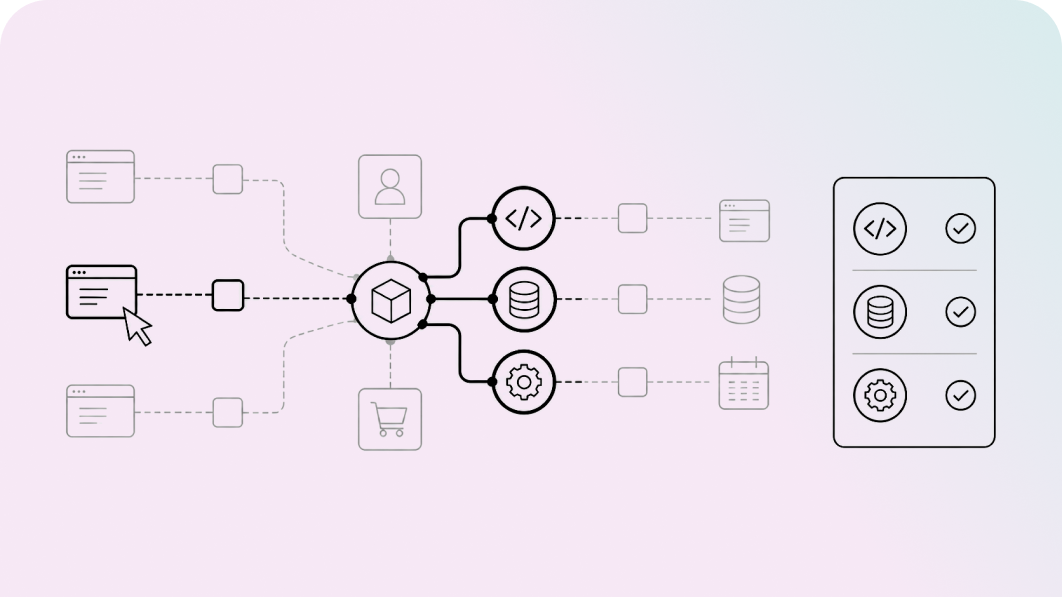
Instant access to AS-IS impact information within development tools
FAQ
-
Since it generates code that automatically incorporates coding and architectural standards, it reduces variability among developers and ensures consistent quality. It has been proven through application in large-scale next-generation projects in the financial and public sectors since 2012, and its model validation feature proactively checks for compliance with standards.
-
It is particularly effective for large-scale next-generation system implementation and system modernization projects involving multiple developers, where compliance with standards and consistent quality are critical. We have a proven track record of implementing this solution in large-scale projects across various industries, including core systems for banks, insurers, and credit card companies, as well as public-sector systems.
-
Since business workflows are presented using sequence diagrams and natural-language-based logical expressions, even business users who are unfamiliar with programming languages can easily grasp the business logic. This facilitates smooth communication between business and IT teams and speeds up business validation.
-
It analyzes the source code and SQL of existing systems to automatically generate program call graphs, table usage, query complexity metrics, and more. The analysis results are provided through report deliverables and Reverse View in the development tool and can be used for next-generation system design and impact analysis.
Digital Marketing Trends
The digital marketing landscape is evolving rapidly alongside technological advancements. In recent years, the integration of AI, machine learning, and big data analytics into digital marketing has significantly enhanced the sophistication and efficiency of marketing strategies. Advanced technologies play a crucial role in predicting clients’ behavior, delivering personalized experiences, and analyzing campaign performance in real-time. The rise of MarTech (Marketing Technology) and AdTech (Advertising Technology) is empowering marketers with a more strategic and data-driven approach through solutions such as marketing automation, customer relationship management (CRM), and data management platforms (DMP).
Moreover, MAD-Tech, which combines MarTech and AdTech, is driving efficiency and personalization in digital marketing to new heights. The explosive growth of data, advancements in analytics, and increasing market competition are accelerating the adoption of MAD-Tech. With MAD-Tech, businesses can integrate their marketing and advertising efforts, ensuring data consistency, precise targeting, and cost optimization. Meanwhile, clients benefit from personalized experiences that enhance satisfaction and foster brand loyalty.
Leading Digital Marketing with Innovation and Technology
MOP: MAD-Tech Solution by LG CNS
Data-Driven Advertising Operations
The Marketing Optimization Platform (MOP) analyzes individual advertising account data to generate hundreds of machine learning models. It employs AI ensemble technology, which combines predictions from multiple models, to accurately forecast daily ad performance at the ad unit level. Furthermore, advanced mathematical optimization technology precisely calculates budget allocation, achieving optimal results by combining at least 350 scenarios per keyword every day to maximize advertising objectives such as conversions and revenue. This process minimizes market uncertainty and enables businesses to plan with more precisions that costs and productivity.
Enhancing Client Data Integration
In addition, we have developed the MOP API Center to strengthen integration with clients' internal systems, increasing the usability of MOP algorithm data and driving greater performance improvements. The API-IN service integrates first-party data into MOP for algorithm training. Meanwhile, the API-OUT service delivers optimized results and insights to clients’ internal systems, supporting secondary data utilization.
The API-IN service ensures that all advertising performance data aligns with clients' internal data standards, driving performance improvements. The API-OUT service enhances data utilization within MOP and boosts work efficiency by seamlessly delivering reports and other critical data to clients' platforms.
LG OptApex: Data-Driven Amazon PPC Solution
Understanding the Fundamentals and Core Principles of Commerce Advertising
Commerce advertising is designed to encourage consumers to purchase products and generate revenue. Therefore, it requires more than just analyzing ad performance—it must also incorporate product-related data, such as incidental costs associated with sales and real-time inventory status. In essence, the true purpose of commerce advertising is not simply to optimize short-term ad efficiency but to drive sustainable business growth through organic sales and stable profit generation. Achieving this requires a seamless synergy between products, advertising, and technology.
The AI-Powered Commerce Advertising Solution That Knows Your Products Best
Many clients face real-world challenges in managing commerce advertising, such as limited expertise, difficulty leveraging vast amounts of data, and resource constraints. LG OptApex, an AI-driven advertising optimization solution specialized for the commerce industry, overcomes these challenges by deeply understanding products and reflecting them in its algorithms. With this differentiated technology, LG OptApex helps businesses successfully manage commerce ads while driving measurable growth.
Operations Maximizing Profitability
LG OptApex connects both Amazon advertising data and product data, providing a robust data infrastructure that enables integrated analysis by desired units. Based on its deep understanding of products, LG OptApex focuses on improving long-term profitability rather than short-term ad performance, ensuring that maximizing client profits remains the top priority.
Advanced AI and Mathematical Optimization Algorithms for Data-Driven Insights
LG OptApex processes vast amounts of product-level data with hourly updates, allowing its algorithms to learn from richer datasets than any other solution. This allows the system to generate hundreds of custom machine learning models per campaign and calculate at least 350 keyword-based scenarios per day, delivering actionable insights and strategic direction to achieve optimal results.
Effortless Ad Optimization and Streamlined Management
Traditional Amazon ad operations require manual execution of initial tasks, including bid management by product and keyword, as well as secondary tasks like data collection, processing, and analysis. This results in an average of six hours per day spent solely on advertising and performance management. LG OptApex automates the entire Amazon ad management process, from campaign setup and product- and keyword-level performance analysis to bid and budget optimization. This not only reduces resource consumption but also lowers the barrier to entry for Amazon advertising with its intuitive and simplified management system.
Korea’s No. 1 Enterprise Blockchain Solution Leading the DX Ecosystem into the Web3 Era
Innovative Customer Values for Web3 Services

Stabilizing Digital Asset Services with Efficient Business Management Tools
Selecting the right blockchain infrastructure management tools is essential for companies to ensure continuous service operation. By utilizing a blockchain solution that provides network infrastructure, node management, smart contract deployment, and consortium management functions, businesses can efficiently and easily manage their services. It enables easy operation of connected blockchain nodes and supports flexible API-based feature expansion for effective management of business consortium ecosystems. Additionally, the integrated management function of the enterprise blockchain platform enhances service stability.

Secure Digital Asset Storage Wallet
Providing the most secure form of digital wallet for users is a critical component of a Web3 business. To ensure clients can design Web3 services with confidence, we offer the highly-secure SET electronic wallet, built on robust security features and protected by patented technology.

TaaS Subscription Service for Efficient Token Service Onboarding
To enhance cost and time efficiency, LG CNS provides a subscription-based token service. Corporate clients can quickly and easily adopt blockchain business models through Monachain TaaS (Token as a Service), a subscription-based service designed for streamlined blockchain adoption. The Monachain TaaS service operates on a cloud API-based infrastructure, enabling customization to suit diverse business needs through a combination of fungible token (FT) and non-fungible token (NFT) functionalities. Monachain’s TaaS subscription service has been adopted by Bank N’s business and University H’s services, where it serves as a core foundational service.

DID Identity Verification Service for Secure Mobile Information Storage
In the Web3 era, decentralized identity (DID) offers a significant advantage over traditional centralized management systems by allowing individuals to own and manage their identity information directly. Recently, governments and businesses have been deploying mobile ID solutions with DID technology. LG CNS provides a DID subscription service to help clients quickly adapt to the evolving decentralized ecosystem, leveraging a distributed management framework.
LG CNS' Customized Web3 Solutions
Monachain
Monachain is the leading blockchain solution in Korea’s financial sector. Most existing blockchain solutions are public blockchains, which often lack the necessary functionalities for enterprise-level management. To address these limitations, Monachain was developed as an enterprise blockchain solution designed specifically for businesses.
Monachain ensures stable implementation of Web3 services within existing infrastructure, tailored to each client's specific needs.

Provides an intuitive interface via dashboard for monitoring node configurations, blocks, and transactions connected to Weaver

Facilitates smart contract deployment for transactions between heterogeneous blockchains through a node-connected Weaver

Enables integrated management of node configurations and connection statuses for each consortium network participant via the network map
Monachain TaaS
The Monachain TaaS (Token as a Service) solution provides highly secure blockchain wallet functionality and delivers a cloud API-based subscription service, allowing businesses to implement Web3 solutions quickly and cost-effectively.

Enables various token-based businesses through TaaS

Enables quick deployment and operation of stable blockchain services while reducing costs

Leverages patented key management technology to ensure the highest level of security
Tid (DID Service)
Tid is a DID-based mobile identity verification service. It can be deployed for employee ID cards and various certificates in subscription-based, on-premise, or hybrid models, depending on the client’s environment.

Enables easy personal identification and mobile ID issuance

Supports various tagging methods such as NFC, Bluetooth, and QR codes

Provides instant availability as a SaaS solution, requiring no installation
FAQ
-
Monachain can be used in all IT environments, including on-premises and cloud infrastructures. It is optimized for seamless integration with existing systems, facilitating easy installation and management, and supports high-speed transaction processing.
-
Monachain TaaS requires only a simplified infrastructure environment for deployment. Additionally, if your business has a TaaS-compatible model, the solution can be easily customized to fit your specific needs.
-
Tid can be adopted by a wide range of companies that issue employee ID cards, physical access cards, or professional certificates. Unlike traditional Web2 systems that often required intermediaries for credential verification, Tid utilizes DID technology to enable personalized data verification managed by the individual―a key feature of the emerging Web3 era.